
If you're an international student looking to study at a university in America, you may be faced with many questions about the admissions process. American universities are highly competitive and the admissions process can be complex. In this article, we'll look at the different steps you need to take to get into a university in America.
Understanding the American education system
The American university education system is one of the most diverse and comprehensive in the world. Many foreign students choose to pursue their studies at American universities because of their academic excellence, innovative programs and state-of-the-art facilities. However, understanding the American university education system can be difficult for foreign students. In this article, we will explain the main aspects of this system to help international students make informed decisions about their university studies in the USA.
Introduction
Education is a top priority in the United States, and the American university education system is one of the most competitive and diverse in the world. American universities are known for their academic excellence, cutting-edge research and modern facilities. However, with so many options available, understanding the American university education system can be difficult for foreign students. This article will explain the different types of higher education institutions in the USA, academic programs, costs and financing options, as well as admission procedures.
The different types of higher education establishments
In the United States, there are many different types of higher education institutions. The main types are community colleges, technical colleges, liberal arts colleges, public universities and private universities.
Community colleges
Community colleges are local institutions of higher learning that offer two-year programs leading to an associate degree or professional certification. These institutions are generally less expensive than universities and are often a popular choice for students who want to save money on tuition before transferring to a university to complete their four-year degree.
Technical colleges
Technical colleges are institutions of higher learning that focus on vocational and technical training. They offer practical training in fields such as computer science, technology, mechanics, health care and skilled trades.
Liberal arts colleges
Liberal arts colleges are institutions of higher learning that focus on four-year programs in the liberal arts and social sciences. They offer an interdisciplinary education that encourages students to explore different fields of study. Liberal arts colleges are generally smaller than universities and often offer more intimate classrooms.
Public universities
Public universities are state-funded institutions of higher education.
Private universities
Private universities are higher education institutions financed by private funds and donations. They can be large or small, and offer a range of academic programs.
Academic programs
The American university education system offers a wide variety of academic programs. The most common programs are
Undergraduate programs
Undergraduate programs are four-year programs that lead to a bachelor's degree. Students can choose from a variety of majors, including science, liberal arts, business, technology and social sciences.
Graduate programs
Graduate programs are programs of two years or more that lead to a master's or doctoral degree. These programs are often more specialized than undergraduate programs, and can include fields such as law, medicine, science and business.
Professional programs
Professional programs are graduate programs that prepare students for specific careers such as medicine, law, business and engineering.

Costs and financing options
Tuition fees for university studies in the U.S. vary considerably depending on the educational institution, program and level of study. International students often pay higher tuition fees than American students. Costs may also include living expenses such as housing, food and supplies.
Students can take advantage of several financing options to help cover the costs of university studies, including scholarships, loans and work-study programs.
Search for universities of interest
The next step is to look for universities that offer the programs you're interested in. It's important to look for universities that match your academic interests, academic background and career goals. You can consult university rankings to find the best universities in America in your field of study.
The best universities in the United States
Here's a list of the best universities in the United States:
Ivy League universities
Ivy League universities are considered the most prestigious in the United States, and are made up of eight institutions located in the northeastern United States. The Ivy League universities are :
Harvard University
Yale University
Princeton University
Columbia University
Brown University
University of Pennsylvania
Cornell University
Dartmouth College
Public universities
Public universities are state-funded and offer lower tuition fees than private universities. The most renowned public universities are :
University of California, Berkeley
University of California, Los Angeles (UCLA)
University of Virginia
University of Michigan, Ann Arbor
University of North Carolina at Chapel Hill
University of Texas at Austin
Technical universities
Technical universities focus on engineering and technology programs. The most renowned technical universities are :
California Institute of Technology (Caltech)
Massachusetts Institute of Technology (MIT)
Georgia Institute of Technology
Carnegie Mellon University
Other prestigious universities
There are also other prestigious universities in the U.S. worth mentioning, such as :
Stanford University
Duke University
University of Chicago
Johns Hopkins University
Universities in the United States offer a wide variety of academic programs, cutting-edge research and career opportunities for students from all over the world. Ivy League universities are considered the most prestigious, but there are also other public, technical and prestigious universities worth considering. Ultimately, the choice of university depends on each student's personal preferences and academic goals.
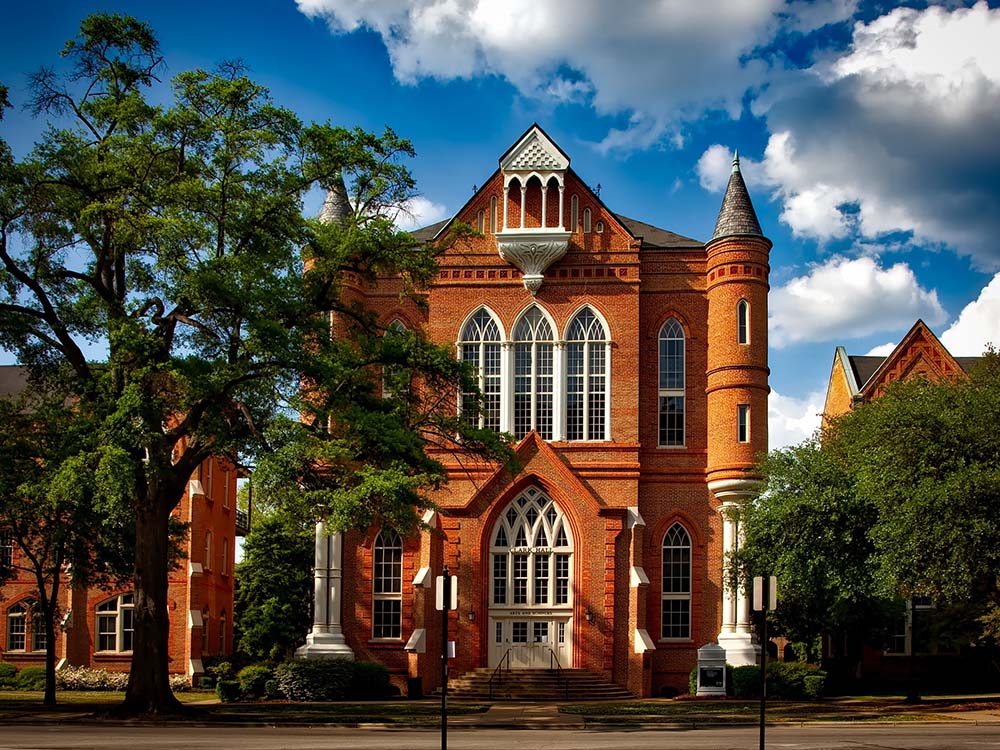
Meet admission requirements
Once you've identified the universities that interest you, you'll need to make sure you meet all the admission requirements. Admission requirements vary by university, but generally you'll need to submit an online application, official transcripts, standardized test scores (such as the SAT, ACT or TOEFL), letters of recommendation and a cover letter.
Plan your registration deadlines
Application deadlines vary by university and program, so it's important to plan ahead. Make sure you meet all application deadlines to maximize your chances of admission. Some universities have early admission deadlines, which may be earlier than regular deadlines.
Apply for a visa
If you are admitted to an American university, you must apply for a student visa to study in the USA. You'll need to provide proof of admission to an American university, proof of financial support, a valid passport and a visa application form.
Visa Application America : All You Need To Know
If you're planning to travel to the United States, you'll need a visa. The visa application process can seem daunting and complicated, but it doesn't have to be. We'll guide you through every step of the U.S. visa application process, including the different types of visas, documents required, associated fees and much more.
Types of Visa for the United States
There are various visa types for the United States, each of which meets specific travel needs. Here are some of the most common types of visa:
Tourist Visa
The tourist visa, also known as the B-2 visa, is intended for people wishing to visit the United States for vacation or family visits. This type of visa allows a maximum stay of six months.
Business Visa
The business visa, also known as the B-1 visa, is intended for people wishing to travel to the United States on business. It also allows a maximum stay of six months.
Student Visa
The student visa, also known as the F-1 visa, is intended for students wishing to study in the United States. This type of visa is generally valid for the duration of your studies.
Work visa
The work visa, also known as the H-1B visa, is intended for people who have been hired to work in the United States. This type of visa is generally valid for three years, renewable once.
Documents required for visa application
The documents required to apply for a visa depend on the type of visa you are applying for. However, here are some of the most commonly requested documents:
-Valid passport
-Visa application form DS-160
-Passport photo
-Proof of financial solvency
-Letter of invitation (if applicable)
-Proof of airline and accommodation reservations
How to apply for a visa
Here are the steps to follow to apply for a U.S. visa:
1. Complete the DS-160 visa application form online
2. Pay the visa application fee
3. Make an appointment for the interview at the American embassy or consulate
4. Prepare the necessary documents for the interview
5. Bring the necessary documents to the interview
6. Wait for visa application decision
Visa application fee
U.S. visa application fees depend on the type of visa you are applying for. Here is a list of visa application fees for some of the most common visa types:
Tourist visa (B-2): 160 $
Business visa (B-1): 160 $
Student visa (F-1): 160 $
Work visa (H-1B): 190 $
Visa for family members of U.S. citizens: 265 $
Processing times
Processing times for U.S. visa applications vary depending on the type of visa and the country you are applying to. In general, processing can take from a few days to several weeks. It is therefore advisable to apply for your visa several weeks in advance.
Tips for a successful visa application
Here are a few tips to increase your chances of success in your US visa application:
-Prepare all necessary documents in advance and make sure they are complete
-Be honest and precise in your answers during the interview.
-Show that you have strong ties with your country of origin, to prove that you intend to return.
-Be prepared to explain the purpose and progress of your trip
-Be punctual for your interview and dress professionally.
Conclusion for the visa application
Applying for a U.S. visa may seem complicated, but by following the necessary steps and providing all the necessary documents, you can successfully apply for your visa. We hope this article has provided you with some useful information for your visa application. Don't forget to apply for your visa several weeks before your trip to avoid unnecessary stress.

Prepare for your arrival in America
Once you've been accepted to an American university and obtained a student visa, you need to prepare for your arrival in America. You may need to find accommodation, buy plane tickets and arrange transportation from the airport. You'll also need to familiarize yourself with American rules and customs.
Search for scholarships and financial aid
It's important to look for scholarships and financial aid to help cover the costs of your studies. Many U.S. universities offer scholarships and financial aid to international students based on their academic background and financial need. You can also look for private scholarships and grant programs offered by governmental and non-governmental organizations.
Prepare for entrance exams
American universities often require standardized test scores such as the SAT, ACT or TOEFL. You need to prepare carefully for these exams to maximize your chances of admission. There are many preparation courses available online and in person to help you prepare for these exams.
Get health insurance
It's important to obtain health insurance before you arrive in America. Medical costs in the USA can be very high, and health insurance can help you cover the costs. Many American universities offer health insurance plans for international students, but you can also obtain private health insurance.
Familiarize yourself with the American education system
Once you've been admitted to an American university, it's important to familiarize yourself with the American education system. American universities have high expectations in terms of attendance, class participation and teamwork. You should also familiarize yourself with university rules and regulations, and make sure you meet all academic requirements.
Get involved in university life
University life in America is very active and offers many opportunities to get involved in extracurricular activities such as clubs and student organizations. Get involved in university life to develop your leadership skills, meet new people and gain practical experience in your field of study.
Conclusion
The process of getting into a university in America may seem complicated, but by following these steps, you can maximize your chances of getting in and succeeding in your university life. It's important to plan ahead, research the right universities and prepare carefully for the entrance exams. Don't forget to look for scholarships and financial aid, and get involved in university life to maximize your educational experience.

FAQ
How do I choose an American university?
Choosing an American university depends on many factors. Important criteria to consider include the university's reputation, programs offered, costs, location, student life and job opportunities after graduation.
What are the different admissions procedures at American universities?
There are three types of admission to American universities: regular admission, early admission and early acceptance. Regular admission is the standard admission procedure, while early admission is an option for students who wish to receive an admission decision before other students. Early admission is an admissions procedure for students with outstanding grades or academic achievements who wish to be considered for additional scholarships.
How much does an American university cost?
The cost of attending an American university varies considerably depending on the university, the program of study and the level of study. In general, tuition and living expenses can range from 20,000 $ to 70,000 $ per year.
How do I get a scholarship to study at an American university?
Foreign students may be eligible for a scholarship to study at an American university. Scholarships are generally based on academic merit or athletic or artistic achievement. Students may also seek scholarships offered by outside organizations or governments.
How do I obtain a visa to study at an American university?
To obtain a visa to study at an American university, foreign students must first be accepted by an American university and receive an I-20 form from their university. Then, they can apply for a student visa by completing a DS-160 form and paying the visa fee. Students must also pass an interview at the American embassy or consulate in their home country.
What's student life like at an American university?
Student life at an American university is very lively. Students can participate in clubs, sports activities, cultural events and student associations. Universities also offer recreational facilities, fitness centers, libraries and counseling services.
What degrees are offered at American universities?
American universities offer a wide variety of programs of study, from undergraduate to doctoral programs. The most popular programs include business, social sciences, sciences, medicine and liberal arts.
Are American universities better than universities in other countries?
American universities are among the best in the world in terms of research and teaching quality. However, it's important to note that not all universities are created equal. Students must choose a university that matches their academic and professional interests.
Do American universities offer internships?
Yes, American universities often offer professional internships in various fields. Internships are an excellent opportunity for students to develop practical skills and gain work experience relevant to their future careers.
Do American universities offer student jobs?
Yes, many American universities offer student jobs on campus. Students can work part-time in libraries, fitness centers, learning centers, dining services and administrative offices.
How do you teach at American universities?
Teaching at American universities is student-centered. Students are encouraged to participate actively in class, to ask questions and to work in groups. Assessments often include written assignments, group projects, oral and written exams, as well as presentations.
How safe are American universities?
Student safety is a priority for American universities. Universities have comprehensive safety programs, including campus police, security escorts and emergency alerts. However, as in any city or region, it's important that students take precautions to ensure their own safety.
See also : Going to university in America, Discover the different American universities.



 Français
  English
  Nederlands
  Deutsch
  Español
  Italiano
  Dansk
Dansk  Svenska
  Norsk bokmål