
New York's climate can vary considerably throughout the year, from cold, snowy winters to hot, humid summers. In this article, we'll take a closer look at the different types of climate in New York, how they change with the seasons and how this can affect residents and visitors to the city.
Introduction
New York is known as a city that never sleeps, but it's also known for its harsh winters and hot summers. The city's climate can vary considerably from one season to the next, and even from one day to the next. Understanding New York's different climates is important for those planning to visit or live in the city.
New York climate in winter
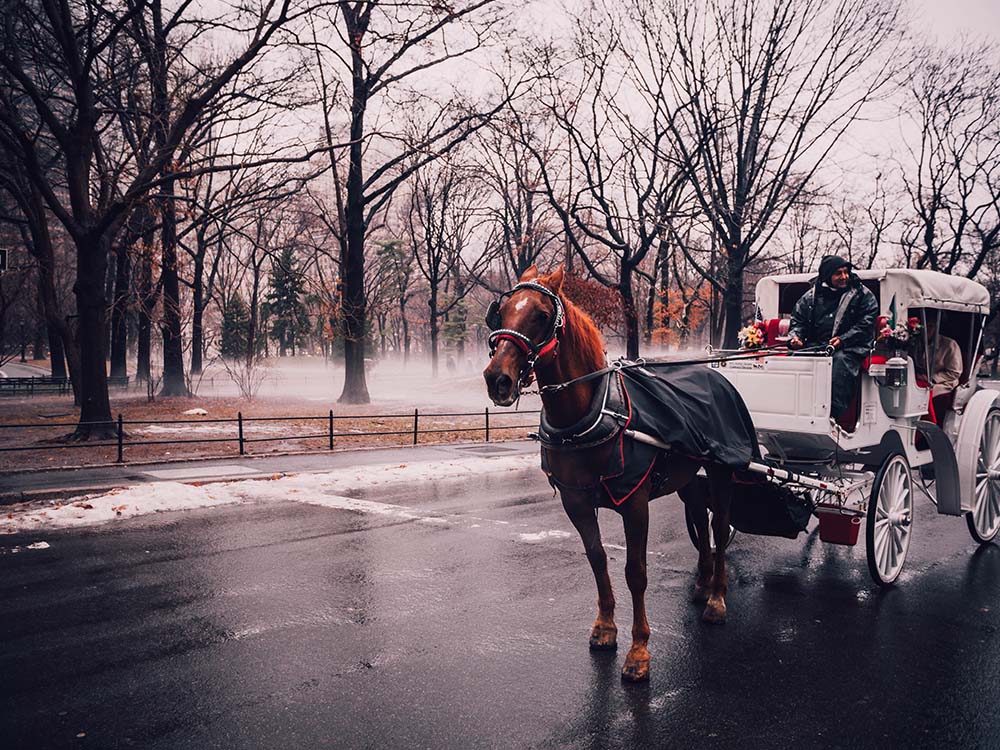
Winter in New York can be cold and snowy. Average temperatures in December, January and February are generally around zero degrees Celsius. However, freezing temperatures can occasionally occur, with temperatures below -10 degrees Celsius during periods of extreme cold.
Snowfall can also be heavy in New York in winter. On average, the city receives around 63 cm of snow each winter, but major snowstorms can result in heavier snow accumulations. In general, the city is well equipped to deal with snow, but residents and visitors alike need to be prepared for harsh winter conditions.
New York climate in spring
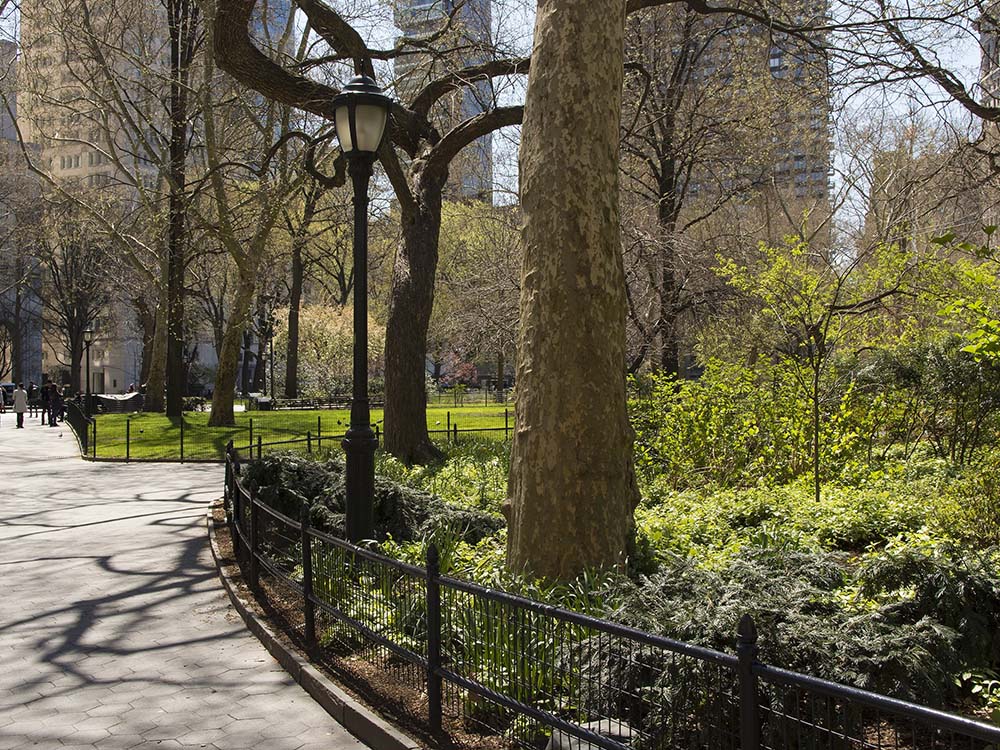
Spring in New York is often considered the most pleasant season of the year. Average temperatures in March, April and May are between 5 and 15 degrees Celsius, with pleasant, sunny days. However, there can still be frequent rain showers during this period.
New York climate in summer
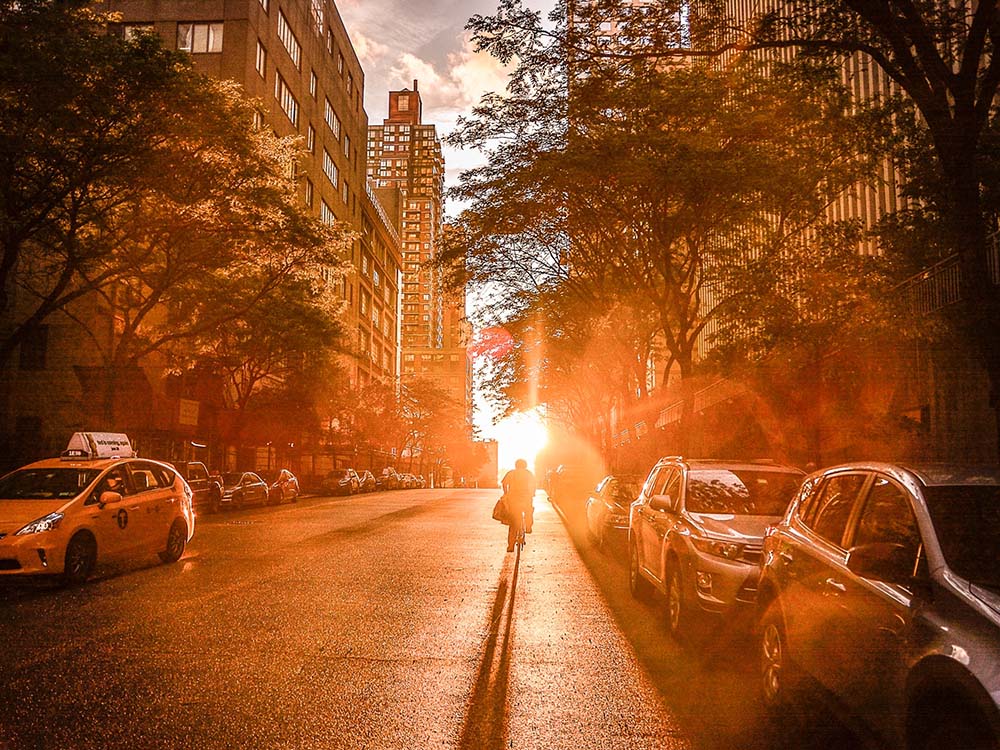
Summer in New York is hot and humid, with average temperatures in July and August generally around 25 degrees Celsius. However, temperatures can sometimes reach 35 degrees Celsius, especially during heatwaves. Humidity can also be high, making the days stifling and uncomfortable.
New York climate in autumn
Autumn in New York is often considered the most picturesque season of the year, with colorful leaves on the trees and cool but comfortable temperatures. Average temperatures in September, October and November are between 10 and 20 degrees Celsius, with days often sunny and pleasant. However, as in spring, there can be frequent rain showers.

How can New York's climate affect visitors and residents?
New York's climate can have a major impact on the daily lives of residents and visitors to the city. In winter, harsh weather conditions can make getting around more complicated, and may even lead to school or office closures. In summer, the heat and humidity can be overwhelming, especially for those not used to this type of climate.
So it's important to take weather conditions into account when planning a trip to New York. Visitors should be prepared for harsh winter conditions if they plan to visit the city during the colder months. In summer, it's important to stay hydrated and take steps to avoid heatstroke.
For city residents, the climate can also have an impact on their lifestyle. For example, residents may choose to travel by metro rather than car in winter to avoid driving on slippery roads or to avoid the high cost of parking. In summer, residents may seek out indoor activities to escape the oppressive heat.
Conclusion
New York's climate can vary considerably throughout the year, from cold, snowy winters to hot, humid summers. Understanding the city's different climates is important for those considering visiting or living in the city. By taking weather conditions into account, visitors and residents can better plan their daily lives and enjoy all that the city has to offer.
FAQ
When is the best time to visit New York?
The best time to visit New York depends on individual preferences. Spring and autumn are often considered the best seasons due to the pleasant temperatures and picturesque scenery. However, summer can also be an ideal time for those looking to enjoy outdoor activities.
Does New York have a continental climate?
Yes, New York's climate is generally considered continental, which means that temperatures can vary considerably throughout the year.
What can we expect in terms of precipitation in New York?
On average, New York receives around 120 cm of precipitation per year, with significant snowfall during the winter months.
How do New York residents cope with harsh weather conditions?
New York residents can take a variety of steps to cope with harsh weather conditions, including using public transport or seeking out indoor activities to avoid extreme temperatures.
Are there any major weather risks in New York?
Although New York is generally well prepared



 Français
  English
  Nederlands
  Deutsch
  Español
  Italiano
  Dansk
Dansk  Svenska
  Norsk bokmål